Voting as a Non-Citizen: A New Federal Case
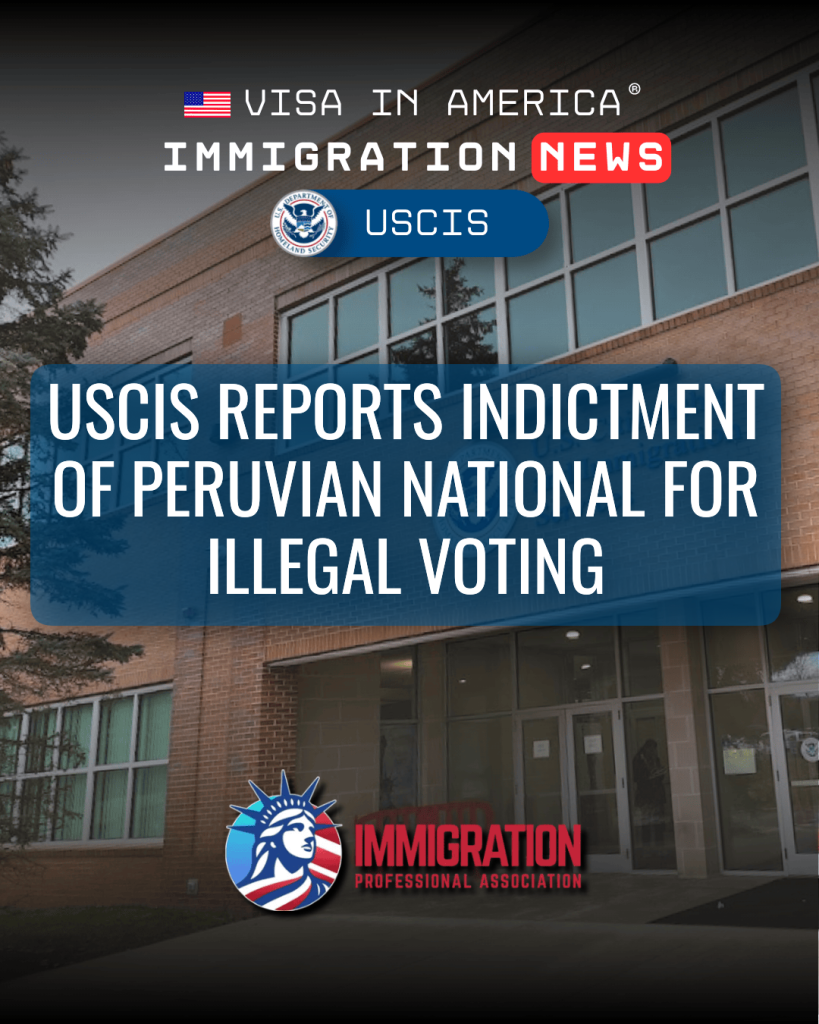
Voting as a non-citizen is at the center of a new federal case. A grand jury in Wichita, Kansas, has indicted a Peruvian national on four criminal counts stemming from her alleged participation in the November 2024 federal election as a non-citizen. U.S. Citizenship and Immigration Services announced the indictment of Mariana Alexandra Dewey, 24. This case is a notable enforcement example of the legal consequences of illegal voting by a foreign national. The charges represent a convergence of immigration and federal election law. The case carries significant implications for non-citizens who may misunderstand — or deliberately misrepresent — the boundaries of their civic participation rights in the United States.
The Legal Rules Against Voting as a Non-Citizen
Federal law has long restricted voting in federal elections exclusively to U.S. citizens. Federal law prohibits non-citizens from registering to vote in federal elections and from voting as a non-citizen in them. This includes lawful permanent residents, visa holders, DACA recipients, and individuals on any other immigration status. Federal statute codifies this prohibition and imposes serious criminal penalties, including potential imprisonment and fines. Violations also carry severe immigration consequences, which can include deportation and permanent bars to future immigration benefits or naturalization.
The voter registration process in the United States requires applicants to certify their eligibility. Applicants must certify, under penalty of perjury, that they are U.S. citizens and meet eligibility requirements. This certification is not a formality — it carries legal weight. A false statement made in that context can independently constitute a federal crime, separate from the act of voting itself.
What the Indictment Alleges
The grand jury returned an indictment charging Dewey with four distinct counts. These are: false claim of citizenship, false claim of U.S. citizenship to vote, fraudulent election conduct, and voting by an alien in a federal election. Each count addresses a separate element of the alleged conduct. This reflects how federal prosecutors can pursue multiple charges from a single sequence of events.
According to court documents, Dewey allegedly registered to vote in November 2024 by falsely representing herself as a U.S. citizen. She then allegedly cast a ballot in that election. The ballot included candidates for U.S. president, vice president, U.S. Senate, and the House of Representatives. In doing so, she allegedly falsely certified her citizenship and eligibility at each stage of the process. USCIS assisted in the investigation, with U.S. Immigration and Customs Enforcement’s Homeland Security Investigations leading the criminal inquiry. A U.S. magistrate judge scheduled Dewey’s initial court appearance for September 14. The hearing will take place in the U.S. District Court for the District of Kansas.
It is important to note that an indictment is a formal accusation, not a conviction. No one has proven the charges at trial. The law presumes Dewey innocent unless and until a court finds him guilty.
Who Is Affected by Voting as a Non-Citizen Enforcement
This case most directly concerns non-citizens living in the United States who hold any immigration status short of full citizenship. This includes lawful permanent residents, individuals on work visas, student visa holders, those with Temporary Protected Status, DACA recipients, and anyone on a pending application. The law does not permit any of these individuals to vote in federal elections. This holds true regardless of how long they have lived in the country, how integrated they are in their communities, or what ties they have established here.
This case may also indirectly affect employers and institutions that work with immigrant communities, as well as organizations that conduct voter registration drives. It underscores the importance of clearly communicating eligibility requirements. Immigration attorneys and accredited representatives advising clients on the naturalization process or on maintaining status should be aware that this type of enforcement action is occurring. The agencies coordinating it — USCIS, ICE Homeland Security Investigations, and the U.S. Attorney’s Office — are working together on these cases.
Practical Implications of Voting as a Non-Citizen
The practical lesson this case reinforces is a critical one. Registering to vote or casting a ballot before acquiring U.S. citizenship can expose a non-citizen to multiple simultaneous federal criminal charges, not merely a single violation. The stacking of four separate counts in this indictment illustrates this point. Each individual step in the process — registration, certification, and actually voting — can carry its own independent criminal exposure.
Beyond criminal liability, a conviction on any of these charges would almost certainly have catastrophic immigration consequences. The Immigration and Nationality Act treats a false claim of U.S. citizenship as a ground of inadmissibility and deportability. Officials generally cannot waive it. This means that even a lawful permanent resident who makes a false claim of citizenship may face permanent consequences. This applies in any context, including voter registration, and may cost that person the ability to naturalize or remain in the United States lawfully.
Non-citizens who have already registered to vote should seek legal guidance promptly. The same applies to anyone uncertain about whether a past registration could create a problem for a future immigration application. The consequences of this type of violation compound over time. This is especially true when individuals later apply for naturalization and must disclose information about prior conduct under oath.
USCIS maintains a tip line for reporting suspected immigration benefit fraud or abuse, which the agency referenced in its announcement of this case. This is a signal that the agency regards public reporting as part of its enforcement infrastructure in this area.
What to Watch For Next
The case remains in its early stages. The court has scheduled Dewey’s initial court appearance, but available information does not publicly indicate a trial date. Observers should monitor the District of Kansas docket for further developments. This includes whether the parties reach a plea agreement or the case proceeds to trial. The outcome of this prosecution could offer additional signal. It may show how aggressively federal authorities intend to pursue this category of offense going forward. Further USCIS or DOJ public statements on related enforcement activity in this area are also possible. Stakeholders should monitor agency newsrooms accordingly.
How Immigration Professional Association Can Help
Cases like this one are a reminder of how high the stakes can be when legal boundaries are misunderstood or crossed. This is true for non-citizens navigating the path toward U.S. citizenship and for those managing complex immigration status issues. Immigration Professional Association works directly with individuals, families, and employers on the full range of immigration matters. These include naturalization eligibility, status compliance, and preparing for the legal scrutiny that comes with immigration applications.
Immigration Professional Association is ready to help if you or someone you know is uncertain about voting eligibility. We can also help with questions about past conduct affecting a future immigration application, or if you are ready to begin the naturalization process on a clean and legally sound footing. Contact our team to discuss your specific situation in the context of this evolving enforcement environment.