USCIS Publishes FY2025 Quarter 4 Waiver Filing and Adjudication Data
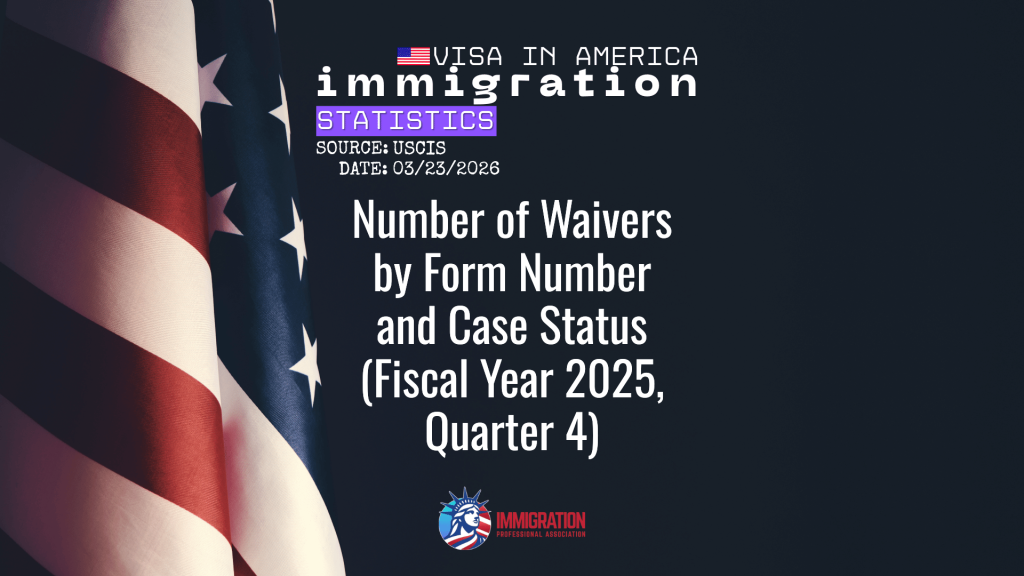
U.S. Citizenship and Immigration Services has released its Fiscal Year 2025, Quarter 4 data report. The FY2025 Q4 Waiver Data outlines waiver activity by form number and case status. The dataset provides nationwide totals for receipts, approvals, denials, and pending cases across waiver categories, excluding Form I‑601A.
The figures, published in spreadsheet format on the USCIS website, present quarter-by-quarter statistics. This allows stakeholders to review workload patterns and adjudication outcomes over time. Additionally, USCIS continues its regular reporting practice with the release. The agency aims to promote transparency into agency operations and case processing activity.
Scope and Structure of FY2025 Q4 Waiver Data
FY2025 Q4 Waiver Data Forms Covered in the Report
The FY2025 Q4 report aggregates case activity by specific waiver form types. This provides visibility into how many applications were filed, completed, or remained pending during each quarter of the fiscal year. By separating receipts, approvals, denials, and pending inventories, USCIS offers a structured overview of both incoming volume and adjudicative output.
The dataset does not include Form I‑601A, Application for Provisional Unlawful Presence Waiver. Other waiver categories reflected in the report correspond to statutory and regulatory grounds of inadmissibility. In these instances, applicants may request discretionary relief.
Quarter-by-Quarter Reporting Format
The spreadsheet format released by USCIS enables comparison across multiple quarters within FY2025. This quarterly structure shows filing volume trends, completion rates, and changes in pending inventories over time.
The data represents historical caseload activity and does not provide projections, individualized processing timelines, or case-specific outcomes.
Practical Implications for Applicants and Stakeholders
Understanding Filing Volume and Adjudication Trends
For applicants and petitioners, the report offers broader context into how frequently particular waiver forms are filed. It also gives numbers on how many cases USCIS is adjudicating within a given fiscal period. Officials evaluate each application independently under legal standards. Although approval and denial totals show patterns, individual review remains paramount.
Because the report reflects aggregate numbers, it does not alter eligibility requirements, evidentiary burdens, or discretionary standards governing individual waiver requests.
Planning Considerations for Legal and HR Professionals
Attorneys, accredited representatives, and human resources professionals may use the quarterly data to assess workload patterns. They can also monitor shifts in pending inventories. Changes in receipts or adjudicative output can help stakeholders understand operational trends within specific waiver categories.
The review advises that one should not interpret the published statistics as predictive of outcomes in any individual case. Processing times and adjudication results depend on case-specific facts, completeness of documentation, admissibility grounds at issue, and evolving agency priorities.
Impact on Employers and Family-Based Sponsors
Employers sponsoring foreign nationals and family-based petitioners seeking waivers should remain focused on submitting complete and well-documented applications. Aggregate approval or denial figures do not modify substantive eligibility criteria or the discretionary nature of most waiver adjudications.
The release of quarterly data supports transparency into overall agency activity. However, it does not change compliance obligations or evidentiary standards required under the Immigration and Nationality Act and corresponding regulations.
Continued Transparency Through Public Data Releases
USCIS’s publication of the FY2025 Q4 waiver report is available through its official data portal. This reflects ongoing efforts to provide stakeholders with structured operational statistics. The agency details case activity by form number. As a result, stakeholders receive a clearer snapshot of waiver-related activity annually.
The authority judges each waiver individually based on specific facts and legal framework, although data shows national trends.