DHS Authorizes Additional H-2B Visas for FY 2026 to Address Seasonal Labor Shortages
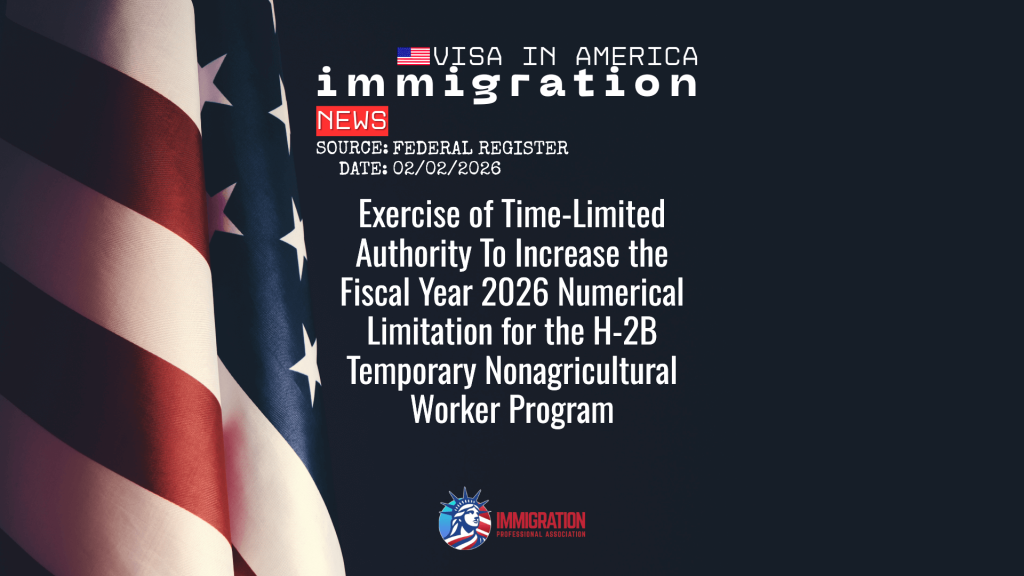
On February 1, 2026, the Department of Homeland Security (DHS), in consultation with the Department of Labor (DOL), announced a significant expansion of the H-2B visa program for fiscal year 2026. This decision authorizes up to 64,716 supplemental H-2B visas beyond the statutory annual cap of 66,000 visas. The goal is to assist U.S. employers experiencing acute shortages of seasonal and temporary nonagricultural workers. Furthermore, the supplemental visa allocation is designed to alleviate critical labor gaps. These gaps may cause permanent and severe financial losses for affected businesses.
Background on the H-2B Program and Expansion Measures
The H-2B visa program allows U.S. employers to temporarily hire foreign nationals for nonagricultural work when there are not enough U.S. workers available. The program typically operates under a statutory cap of 66,000 visas per fiscal year. At times of heightened labor market demand, DHS, in collaboration with DOL, has utilized its authority to temporarily raise the number of H-2B visas available. This approach allows for a responsive increase in visa allocations to meet urgent workforce needs. The 2026 expansion continues this approach. Supplemental visas are designated for employers who can prove that their businesses would face significant financial damage. This access to H-2B workers is crucial for their operational stability.
Practical Implications for Employers and Petitioners
The announcement reveals that supplemental visas will be distributed in three phases during the fiscal year. This allocation will depend on the anticipated start date of the petitioner’s needs. Employers should note that all recipients must attest to the potential for permanent and severe financial loss in the absence of H-2B labor. Consequently, this requirement raises the bar for eligibility. It makes it essential for employers to maintain thorough financial documentation. Employers must also be prepared to substantiate their claims with supporting evidence.
The application process for these additional visas remains highly time-sensitive. The staggered release schedule means that petition planning and labor certification timing will be critical. Therefore, employers should monitor the dates relevant to their workforce needs and coordinate closely with their human resources, legal counsel, and recruitment teams. They must do this to meet filing deadlines and compliance requirements.
Stakeholders Impacted by the 2026 H-2B Visa Expansion
Employers across a range of industries—including hospitality, landscaping, construction, and recreation—that rely on seasonal or peak-load temporary workers are the primary stakeholders affected by this policy update. Petitioners seeking to benefit from the expanded H-2B cap must comply with the new attestation and documentation requirements set by DHS and DOL. Consequently, human resources professionals, immigration attorneys, and workforce planners should review the Federal Register notice. They should also ensure alignment with all criteria and timelines associated with the supplemental visa tranches.
For immigrants and foreign workers interested in pursuing H-2B opportunities, the expansion may create additional job openings. However, final eligibility rests upon employer petition approval and fulfillment of detailed compliance steps.
The official notice in the Federal Register provides further details regarding specific eligibility, allocation schedule, and compliance standards for FY 2026 H-2B supplemental visas. This development underscores the importance of strategic planning and careful coordination throughout the hiring and petition process. Employers must do this in order to leverage these temporary visa increases effectively.