Federal Government Launches Coordinated Effort to Strengthen Fraud Oversight in Public Benefit Programs
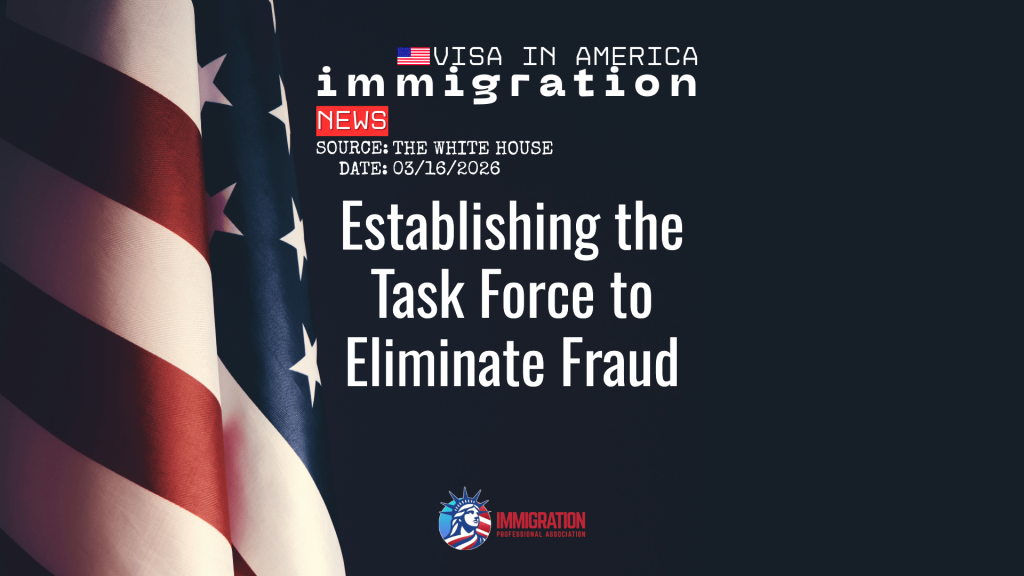
On March 16, 2026, the White House issued a Presidential Action establishing a federal Task Force to Eliminate Fraud. The directive creates a coordinated, interagency initiative focused on identifying, investigating, and preventing fraud across federally funded public benefit programs.
The official announcement states that the Task Force aims to enhance oversight and accountability in programs involving housing assistance, food assistance, medical benefits, cash support, and other government-funded aid. States and local entities administer these programs in partnership. The initiative emphasizes enhanced interagency collaboration and improved internal controls. Furthermore, it encourages more robust data-sharing mechanisms to prevent improper payments and fraudulent claims.
While the action does not modify statutory eligibility criteria for public benefits, it signals an increase in compliance activity. This change may have operational consequences for individuals and organizations interacting with federal and state benefit systems.
Background and Scope of the Presidential Action
The directive instructs federal agencies to review existing oversight mechanisms. It also asks them to recommend measures to improve fraud detection and prevention across taxpayer-funded programs. A major component of the initiative involves stronger coordination among agencies. Moreover, it includes expanded use of data matching to verify eligibility and identify inconsistencies.
Public benefit systems frequently intersect with immigration processes. Information regarding receipt or non-receipt of certain benefits can appear in immigration filings. These filings include adjustment of status applications, affidavits of support, naturalization applications, and various nonimmigrant and immigrant visa petitions. Increased cross-agency coordination may heighten scrutiny of discrepancies between benefit records and immigration submissions.
Although the Presidential Action focuses on program integrity and improper payments rather than revising immigration policy, enhanced enforcement systems can indirectly affect applicants. Agencies review records across multiple federal and state databases in this process.
Implications for Immigrants and Immigration Applicants
Applicants for public benefits may encounter expanded verification procedures, additional documentation requests, and more frequent cross-checking of information across agencies. Data provided to state benefit agencies may be compared against federal immigration records and vice versa.
For individuals with pending or anticipated immigration filings, consistency across government submissions is increasingly important. Information relating to public benefits, household composition, income, address history, and identity documentation should align across applications. These applications are submitted to different agencies.
Sponsors submitting affidavits of support or petitioners filing family-based or employment-based forms should ensure that representations regarding household income, support obligations, and benefit usage are accurate. They should also be supported by documentation. Even unintentional discrepancies can lead to requests for evidence, processing delays, or further review.
Importantly, the current directive does not introduce new public charge standards or alter existing benefit eligibility rules. Its focus remains on fraud detection and administrative oversight. However, increased verification measures may influence how thoroughly cases are reviewed.
Considerations for Employers and Program Administrators
Employers, nonprofit organizations, and entities that administer or participate in federally funded programs should anticipate heightened compliance expectations. Agencies may evaluate internal controls related to eligibility determinations, recordkeeping, and reporting more closely. This will occur in light of the new federal coordination effort.
Human resources professionals managing work authorization documentation and benefit-related certifications should be attentive to data consistency. In particular, this is important where employment records may intersect with public benefit eligibility or immigration filings. Strengthening internal compliance review procedures may reduce exposure to inadvertent reporting inconsistencies.
Organizations that interface directly with federal or state benefit programs may also see adjustments in audit frequency, documentation standards, or verification systems. Such changes will occur as agencies implement the Task Force’s recommendations.
Processing Timelines and Administrative Scrutiny
Although the Presidential Action does not introduce new eligibility categories or substantive legal standards, enhanced oversight mechanisms often lead to practical changes in processing environments. Increased documentation review, expanded interagency consultation, and additional verification steps can contribute to longer adjudication timelines.
Applicants with pending benefit applications or immigration cases should be prepared for possible requests for clarification or supplementary evidence. Maintaining organized records and consistent information across agencies remains essential in a compliance-focused regulatory climate.
As implementation details evolve, operational guidance from federal and state agencies will provide further clarity on how the Task Force’s work will affect day-to-day processing. The official Presidential Action published by the White House outlines the framework. However, it leaves program-specific adjustments to the responsible agencies.
The establishment of the Task Force reflects a broader federal emphasis on program integrity. For immigrants, sponsors, employers, and counsel, attention to documentation accuracy and consistent reporting across all government interactions remains a central component of compliance.