
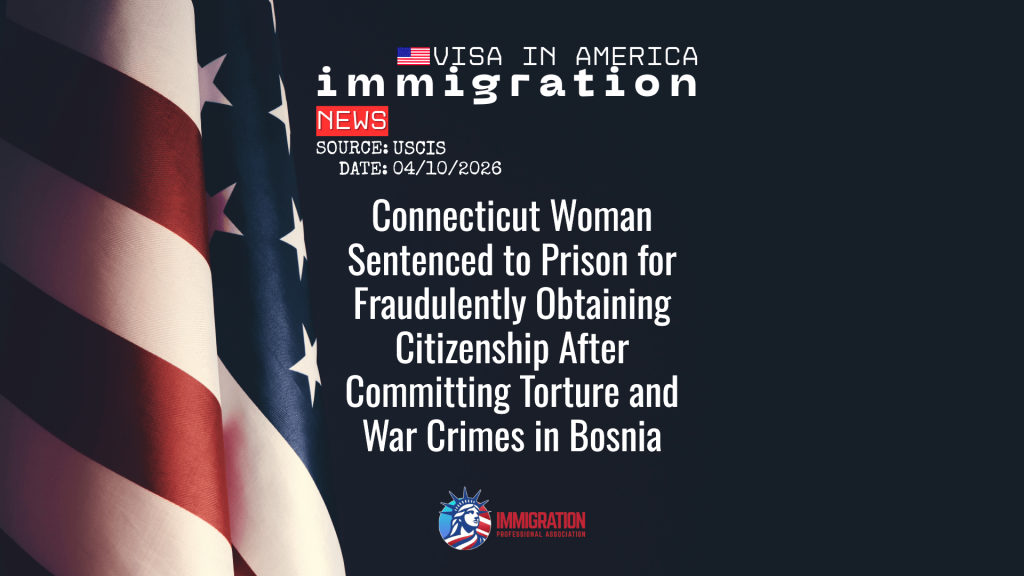
The case serves as a significant reminder that individuals can be sentenced to prison for naturalization fraud, as U.S. citizenship obtained through deceit or willful misrepresentation is subject to revocation, with the possibility of criminal prosecution even many years after naturalization.
Legal Framework: Misrepresentation, Denaturalization, and Criminal Liability
U.S. immigration law requires that applicants for permanent residence and naturalization provide full and truthful disclosure of all material facts. Information is material if it can influence immigration authorities’ decisions.
Citizenship obtained through misrepresentation may lead to denaturalization proceedings in federal court. A successful denaturalization results in the loss of U.S. citizenship and may lead to removal proceedings. In cases involving deliberate fraud, applicants may also face criminal charges in addition to immigration consequences.
The enforcement authority to pursue denaturalization and related prosecutions stems from longstanding statutory provisions under the Immigration and Nationality Act. Federal agencies, including USCIS and the Department of Justice, continue to coordinate on identifying and investigating cases involving human rights violations, fraud, or national security concerns.
Importance of Full Disclosure in Immigration Filings
Although this case involves serious allegations tied to human rights violations, the broader legal principle applies to all immigration applicants. Immigration benefits depend on accurate and complete application information and documents.
Failure to disclose prior military service, government affiliations, arrests, or other relevant history can raise questions of misrepresentation. In addition, inconsistencies across different filings over time may draw scrutiny during subsequent applications or reviews.
USCIS has emphasized ongoing fraud detection and compliance efforts, including review of historical records where warranted. As a result, the authority may revisit information provided in earlier filings during later stages of the immigration process. The government retains the authority to examine whether citizenship was lawfully obtained, even after naturalization. Disclosures at each stage form part of a cumulative immigration record.
Applicants must document residence, employment, and government or military involvement accurately. Record retention and thorough review of previous submissions are increasingly important, particularly when applying for adjustment of status, naturalization, or other immigration benefits.
Broader Enforcement Trends
The case reflects continued collaboration between USCIS and federal investigative agencies in identifying and prosecuting fraud related to immigration benefits. Denaturalization is uncommon, but cases with serious criminal conduct remain enforcement priorities.
The authority may revoke citizenship if someone obtained it through fraud or concealment of material facts.